
Book editing for self-publishing in Australia
Book Editing for Self-publishing in Australia
Contents
1. What is editing for self-publishing books in Australia?
2. Development/Structural editing for self-published books in Australia
3. Copy editing for self-published books in Australia
4. Proofreading for self-published books in Australia
5. What is good editing?
6. How self-published authors can find an editor in Australia
7. When should a self-published author start to edit their book?
8. Can a self-published author edit their own book?
9. Conclusion
Whether self-publishing or traditionally publishing, editing is extremely important to your book’s success.
1. What is editing for self-published books in Australia?
The process of editing is revising and/or correcting written content (like your manuscript) to improve the quality, accuracy, and readability of the text. This can include grammar, punctuation, structure of the content, and fact-checking.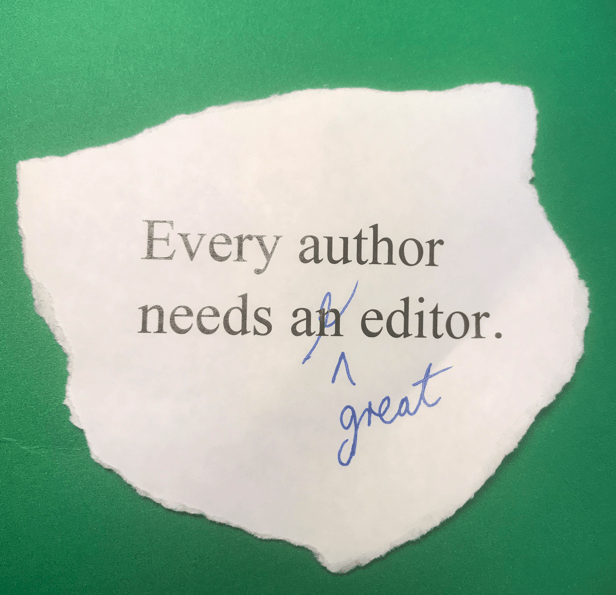
Editing a book can take place at various stages in the publishing process, including before sending your book to a publisher and after the manuscript has been accepted. However, editing needs to be completed before any final changes have been made to files and before printing is organised.
There are different types of book editing depending on the state of the manuscript.
Back to Contents
2. Development/Structural editing for self-publishing in Australia
Structural editing focuses on the overall structure and organisation of the manuscript. For this reason, it is an in-depth form of editing which involves looking at the bigger picture and making recommendations on how to improve the overall flow, pacing, and coherency of the story.
A structural editor will examine whole manuscript and address things like:
- The overall plot and the development of the manuscript.
- Character development and how the characters are portrayed.
- Pacing and how well the story flows.
- Themes and how they are explored.
- Style and the tone of the manuscript.
- Dialogue and how it is written.
Following the observations that the editor has made, suggestions will be provided on how to improve the manuscript. This can include cutting out unnecessary scenes and dialogue, moving parts of the story around, adding new scenes, and much more. The editor’s goal in structural editing is to assist the author to create a cohesive, well-structured, and engaging story that will appeal to many readers.
3. Copy editing self-published books Australia
Copy editing focuses on the fine details of a manuscript, such as grammar, punctuation, spelling, and consistency. Generally, the goal of copy editing is to ensure the manuscript is error free and easy for a reader to follow.
A copy editor will:
- Review your manuscript for any errors in grammar, punctuation, and spelling.
- Check for consistency in both the style and formatting of your text.
- Ensure that your manuscript adheres to the specific style guide or house style that your publisher provides.
- Fact-check your manuscript.
Copy editing is completed after manuscript structural editing, but before proofing, typesetting, and printing. It helps to ensure that the manuscript is polished before it gets into the hands of readers! The editor will work with the author to make sure the manuscript is clear, concise, and error-free.
4. Proofreading for self-published books in Australia
Typically, proofreading is the final stage of the editing process. This is because it focuses on catching any remaining errors to polish up the manuscript for publishing. The goal of proofreading is the ensure the manuscript is as error-free as possible and that it presents well for readers.
During proofreading , the editor will:
- Comb through your manuscript for remaining spelling, grammar, and punctuation errors.
- Re-check for consistency in style and formatting.
- Ensure that the manuscript sticks to the specific style guide or house style of your publisher.
- Check for and fix any typographical errors.
- Polish the manuscript for consistency, such as numbering, headings, and cross-references.
Normally, proofreading is done once the manuscript has been copyedited. The editor will review the manuscript one final time, looking for minor errors that may have slipped through. With this in mind, proofreading should be done on the final manuscript, i.e. the version intended to be published.
5. What is good editing?
Good editing is the process of improving the overall quality and accuracy of a manuscript to ensure it is not only clear, cohesive, but also engaging for the intended audience.
A good editor will:
- Pay attention to detail: Carefully looking through the manuscript to catch any errors (such as grammar, punctuation, spelling, and consistency).
- Look for clarity and coherence: Ensure the manuscript is easy to understand, has a clear and consistent flow of scenes, and is well organised.
- Edit with honesty and objectivity: Provide honest and objective feedback on the manuscript, point out areas for improvement, and offer suggestions on how to make the manuscript stronger.
- Respect the authors voice: Improve the manuscript without changing the authors style, tone, or voice.
- Meet the needs of the intended audience: Make sure that the book’s language, structure, and form is suitable for its intended audience.
Good editing is a collaborative process between the editor and author where the editor provides feedback and suggestions to help the author make the manuscript as good as it can be, while keeping the author’s voice and style intact.
If you are looking for an editor, Green Hill recommends contacting our editing partner Bookmark Edits
6. How self-published authors can find an editor in Australia
Green Hill Publishing can help you find an editor to suit your needs through our editing partner, Bookmark Edits.
However, if you would like to search around to find your own editor, below are some tips on how to choose one suited to your project:
- Get referrals: Ask your friends, colleagues, or other authors for recommendations. Someone you know may have worked with an editor in the past that they would recommend.
- Check online: Use online search engines such as Google to find editors in your area or with experience in your genre. It is also a great idea to look the Institute of Professional Editors website.
- Use editing platforms: There are a number of online platforms that help authors connect with editors. Try a website such as Reedsy.
- Self-edit: Take some time editing your book yourself.
When looking for an editor, it is important to consider the editor’s experience and qualifications.
It is always a good idea to get a sample of editing to ensure you’re happy with the quality of work before you go any further. It is also good to talk with the editor to make sure you are comfortable with them. Ask questions about their editing processes, experience, and pricing before you make a decision.
7. When should a self-published author start to edit their book?
The best time to edit your book depends on a variety of factors, such as your writing process and personal preferences.
However, there are a few guidelines which can help you decide on when to begin the editing process.
- Wait until the first draft is complete: Most writers find it helpful to wait until the first draft of the manuscript is completed before editing begins. This means a full run through of the manuscript can be done and allows the author to focus on getting their thoughts and ideas down without worrying about changes or revisions needing to be made.
- Set a deadline: Give your self a firm deadline to finish the first draft of your manuscript and schedule a specific date to start the editing.
- Take breaks: After you’ve been writing for a certain amount of time, you should take a break. This will give you a chance to step away from the manuscript and come back to it with fresh, clear eyes.
- Edit as you go: Some authors prefer to edit the manuscript as they are plodding along, making revisions and changes as they write. This can help keep the manuscript focused and on track.
Ultimately, the best time to start editing your manuscript is when you feel that you are ready. This will vary depending on each writer, but it is important to make sure you take the time to revise and edit your manuscript so it’s the best it can be. It is also important to make sure you are giving your publisher the final manuscript before any design or typesetting takes place.
8. How can a self-published author edit their own book?
Self-editing your book can be a challenging process, but it can also be rewarding. Below are some tips we’ve put together to help you ensure you have self-edited your book effectively:
- Take a break: Before you begin editing your manuscript, make sure you put your manuscript away for a few weeks or more. This will help you come back to it with fresh eyes and a clear mind.
- Read your manuscript aloud: Reading your manuscript aloud can help to catch errors in grammar, punctuation, and sentence structure that may not be noticed when reading silently.
- Ensure consistency: Make sure your manuscript’s style, tone, and point of view is consistent. It’s also important to check that characters are consistent, too, and that their actions, thoughts, and words make sense with their personalities.
- Inspect your manuscript for plot holes: Make sure the plot of your book is logical and that there are no inconsistences or holes.
- Check for pacing: Make sure that the pacing of your manuscript is appropriate. A book that is too slow can be boring for a reader, while one that is too fast can leave the reader lost.
- Cut unnecessary words, sentences, and scenes: Be ruthless in cutting unnecessary words, sentences, and scenes that do not enhance the story, plot, and characters.
- Get feedback: Share your manuscript with friends, family, or beta readers to get some feedback. This can help identify areas needing some work that you as the author can’t see.
- Consider hiring a professional editor: It’s always good to have a professional set of eyes on your manuscript. This will give you more confidence in your manuscript and ensure there are no errors. Reach out to our editing partner, Bookmark Edits, for this step!
9. Conclusion
Editing is one of the most important things when it comes to publishing your book. You need to be confident in the work that is being put out into the world, and the work needs to be polished and final before being released. There are many different types of editing to consider. The one you need varies from author to author as it depends on what your needs and wants are when it comes to your manuscript. It is important that, when beginning to edit your book, the manuscript is the final draft.
Remember: editing is a useful tool, and any feedback is useful and may lead to the success of your book. Finding an editor that suits your writing style, genre, and needs is important, too.
Here at Green Hill Publishing, we have a fantastic editing partner who will help you find the perfect editor for your manuscript. Bookmark Edits provides our authors with great service and a quality product. Reach out to us if you have any questions or if would like more information on how to contact our editing partner.